Tendenze emergenti che modellano i componenti di stampaggio hardware nel 2026
Nel 2026, il riconoscimento guidato dall'IA, l'automazione e la produzione digitale trasformano componenti di stampaggio hardware, affrontando sfide come i mancati prelievi dei componenti e il disallineamento. Il mercato globale dello stampaggio dei metalli cresce dell'8,9% all'anno, con marchi come Jiaxin che guidano l'innovazione in Parti di stampaggio metallico personalizzate e Servizi di stampaggio metallico di precisione, plasmando un settore più competitivo e sostenibile.
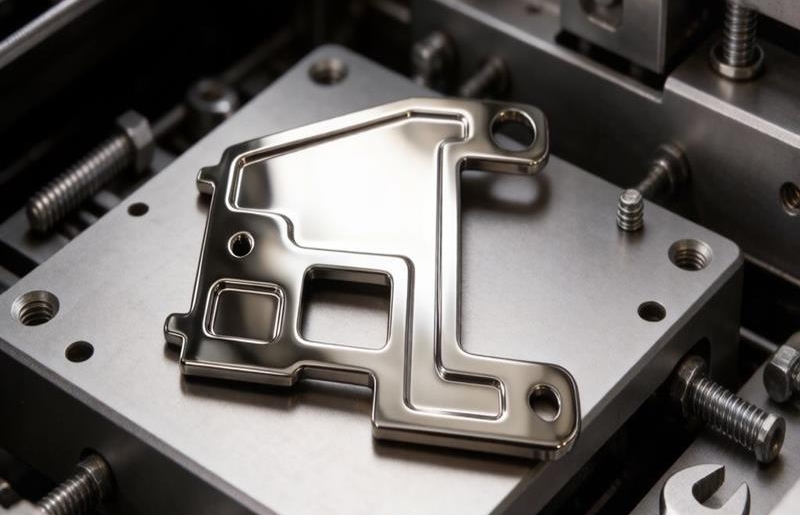
I sistemi di produzione intelligenti guidano la trasformazione in componenti di stampaggio hardware. Aziende e regioni investono pesantemente in tecnologie avanzate per aumentare efficienza e precisione. La tabella seguente evidenzia i recenti progressi:
|
Azienda/Regione |
Progressi nella produzione intelligente |
|---|---|
|
MAXGE Electric |
hub di iniezione automatizzato al 90%, bracci robotici, ispezione visiva automatizzata, test automatizzati al 100%, presse di precisione ad alta velocità, linea completa automatizzata di verniciatura a polvere |
|
Giappone |
Leghe d'acciaio avanzate, nuovi design degli stampi, R&S collaborativa per innovazioni tecnologiche |
|
Malesia |
Macchine CNC avanzate, robotica, sistemi abilitati IoT, flussi di lavoro digitali per la gestione della catena di approvvigionamento |
|
Corea del Sud |
Diffusa adozione dell’Industria 4.0, IoT, IA, manutenzione predittiva, strumenti di digital twin per l’ottimizzazione |
Le industrie manifatturiere in Malesia beneficiano dell'automazione e delle iniziative di produzione intelligente. Questi sforzi migliorano la precisione e riducono i costi. La Corea del Sud guida la trasformazione digitale con fabbriche intelligenti che utilizzano IoT e IA per il monitoraggio in tempo reale. Il Giappone si concentra su materiali innovativi e design degli stampi per ridurre gli sprechi e migliorare la qualità produttiva. MAXGE Electric raggiunge alti livelli di automazione con bracci robotici e ispezione visiva automatizzata. Jiaxin integra Parti di stampaggio metallico personalizzate e Servizi di stampaggio metallico di precisione nei suoi flussi di lavoro di produzione intelligente, stabilendo parametri di riferimento del settore.
I sistemi automatizzati di cambio stampo semplificano la sostituzione degli stampi di stampaggio. Questi sistemi riducono i tempi di configurazione e migliorano l'utilizzo delle attrezzature. Le tecnologie di ispezione della qualità in tempo reale garantiscono che ogni pezzo soddisfi gli standard di produzione. I sistemi automatizzati operano continuamente, massimizzando la produzione e la produttività riducendo i tempi di inattività. La visibilità in tempo reale sull'utilizzo e il rifornimento automatizzato eliminano i rischi di lunghi tempi di consegna. Gli operatori individuano le inefficienze tra le linee di prodotto, semplificando i processi e migliorando la chiarezza.
Il riconoscimento guidato dall'IA è all'avanguardia delle tecnologie emergenti nell'industria dello stampaggio dei metalli. La visione artificiale e il reinforcement learning ottimizzano le operazioni di stampaggio hardware. Il sistema stack-bot utilizza il reinforcement learning di livello 2 per analizzare i dati di più cicli di impilamento. Questo sistema perfeziona parametri chiave come la posizione verticale dello stampo e la temperatura del substrato. Questi aggiustamenti riducono i disallineamenti e i mancati prelievi dei componenti.
Un agente Soft Actor-Critic abilita regolazioni in tempo reale. Questa tecnologia stabilizza i tassi di crescita e migliora il controllo del processo di impilamento. Le macchine di stampaggio automatizzate dotate di riconoscimento guidato dall’IA forniscono risultati coerenti. Una maggiore integrazione dell’automazione garantisce che la produzione di terminali di stampaggio personalizzati rispetti rigorosi standard di qualità. Jiaxin sfrutta il riconoscimento guidato dall’IA per migliorare le sue parti di stampaggio hardware e i suoi servizi di stampaggio metallico personalizzati.
Le strategie di pianificazione adattiva svolgono un ruolo cruciale nella produzione moderna. I produttori utilizzano il controllo statistico di processo per monitorare la variazione dimensionale nel tempo. I grafici di controllo e i valori Cpk garantiscono che i processi rimangano sotto controllo. I sensori nello stampo misurano le dimensioni dei pezzi in tempo reale, consentendo regolazioni dinamiche per mantenere la qualità durante la produzione.
Il monitoraggio continuo del processo utilizza sensori per rilevare derive e anomalie. Le correzioni proattive prevengono i difetti prima che si verifichino. I data historian raccolgono e analizzano i parametri di processo. Questi strumenti correlano le condizioni di produzione con le dimensioni dei pezzi per l'assicurazione della qualità. La tabella seguente riassume le strategie efficaci di pianificazione adattiva:
|
Strategia |
Descrizione |
|---|---|
|
Controllo statistico di processo |
Traccia la variazione dimensionale nel tempo utilizzando grafici di controllo e valori Cpk |
|
Sensori nello stampo |
Misurano le dimensioni dei pezzi in tempo reale per regolazioni dinamiche della qualità |
|
Monitoraggio continuo del processo |
Utilizza sensori per rilevare derive e anomalie, consentendo correzioni proattive |
|
Storici dei dati |
Raccoglie e analizza i parametri di processo per l'assicurazione della qualità |
I team di produzione si affidano alla pianificazione adattiva per mantenere elevati standard in Servizi di stampaggio metallico di precisione. Tecnologie come i sensori nello stampo e il monitoraggio continuo supportano innovazione ed efficienza. Jiaxin implementa queste strategie per fornire componenti affidabili di stampaggio hardware e soluzioni di terminali di stampaggio personalizzati.
Le tecnologie di automazione e IA risolvono i problemi di mancato prelievo e disallineamento. I sistemi di produzione intelligenti e la pianificazione adattiva guidano efficienza e precisione nelle operazioni di stampaggio. Aziende come Jiaxin guidano il settore integrando tecnologie avanzate e processi innovativi.
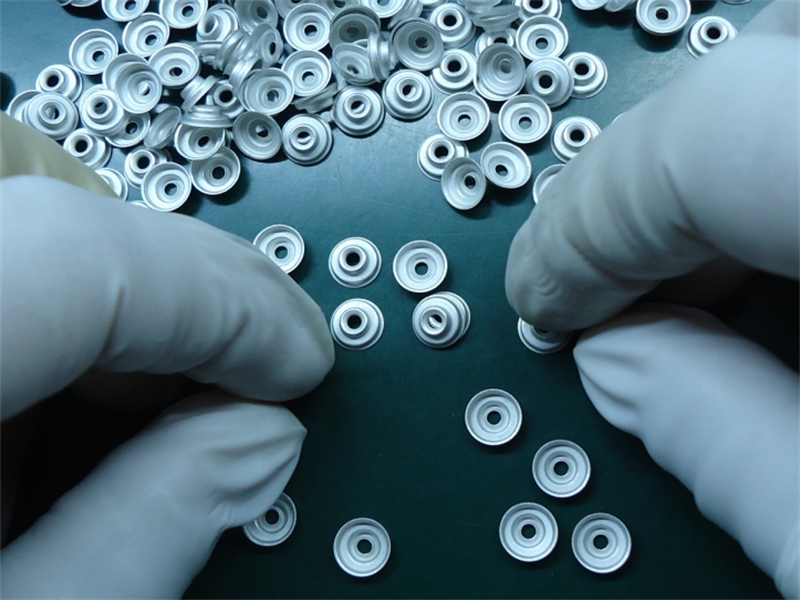
L’industria automobilistica continua a spostarsi verso leghe e compositi avanzati nelle operazioni di stampaggio. I produttori selezionano leghe ad alta resistenza e compositi leggeri per soddisfare le esigenze prestazionali dei veicoli elettrici e dell’elettronica di consumo. Queste innovazioni dei materiali migliorano la durabilità e riducono il peso, supportando l’evoluzione di Parti di stampaggio metallico personalizzate e componenti di stampaggio hardware.
|
Materiali avanzati |
Vantaggi prestazionali |
|---|---|
|
Leghe ad alta resistenza |
Prestazioni migliorate nei veicoli elettrici |
|
Leghe leggere |
Riduzione del peso complessivo del veicolo |
|
Compositi avanzati |
Migliorata durabilità e resistenza |
Jiaxin integra questi materiali avanzati nei suoi Servizi di stampaggio metallico di precisione. L’azienda sfrutta leghe ad alta resistenza per la produzione di terminali di stampaggio personalizzati, garantendo affidabilità ed efficienza. L’adozione dei compositi nella produzione automobilistica influisce sui metodi tradizionali di stampaggio, richiedendo nuovi utensili e adeguamenti di processo. I produttori si adattano rapidamente, mantenendo la competitività e soddisfacendo gli standard del settore.
I settori automobilistico e aerospaziale danno priorità a materiali leggeri e ad alta resistenza nei processi di stampaggio. Questi materiali includono leghe di alluminio, acciai ad alta resistenza e compositi rinforzati con fibre. La tabella seguente evidenzia le scelte comuni:
|
Tipo di materiale |
Esempi |
|---|---|
|
Leghe di alluminio |
Leghe di alluminio 1100, 3003, 6061, 5052 |
|
Acciai ad alta resistenza |
Acciaio al carbonio, Acciaio inossidabile |
|
Compositi rinforzati con fibre |
N/D |
|
Polimeri ad alte prestazioni |
N/D |
I produttori nel settore automobilistico selezionano leghe di alluminio e acciai ad alta resistenza per ridurre il peso dei veicoli e migliorare l’integrità strutturale. Lo stampaggio con questi materiali consente riduzioni di peso del 20-30% rispetto all’acciaio tradizionale. Questo miglioramento aiuta a soddisfare requisiti rigorosi di efficienza del carburante, come l’obiettivo statunitense di 40.5 mpg entro il 2026.
|
Focus industriale |
Impatto sull'efficienza del carburante e sulla longevità |
|---|---|
|
Aerospazio, settore automobilistico, elettronica di consumo |
La riduzione dello spessore dei materiali migliora l’efficienza energetica e la portabilità senza compromettere l’integrità strutturale. |
Jiaxin applica questi materiali in Custom Metal Stamping Parts e Hardware Stamping Parts, fornendo prodotti che supportano una migliore efficienza del carburante e una maggiore longevità del prodotto. L’esperienza dell’azienda nei Precision Metal Stamping Services garantisce qualità e prestazioni costanti.
La sostenibilità guida l’innovazione nello stampaggio dei metalli. I produttori adottano pratiche di produzione ecologica e materiali sostenibili per ridurre al minimo l’impatto ambientale. La Valutazione del Ciclo di Vita (LCA) consente alle aziende di quantificare gli effetti ambientali dall’estrazione delle materie prime fino allo smaltimento a fine vita. L'LCA identifica opportunità di ottimizzazione nel consumo energetico, nell’utilizzo dei materiali e nella generazione di rifiuti.
La documentazione LCA supporta la conformità normativa, garantendo una valutazione coerente tra gli impianti di produzione.
L’economia circolare promuove sistemi rigenerativi che massimizzano l’efficienza delle risorse e minimizzano i rifiuti.
I sistemi a ciclo chiuso riutilizzano gli scarti di produzione nei cicli produttivi successivi, promuovendo una produzione sostenibile.
I quadri normativi impongono la documentazione LCA e protocolli di valutazione standardizzati, guidando il miglioramento continuo delle tecnologie di produzione sostenibile.
Jiaxin implementa materiali sostenibili in Custom Metal Stamping Parts e Hardware Stamping Parts. L’azienda si allinea ai requisiti normativi e promuove pratiche di produzione ecologica. La produzione sostenibile supporta gli obiettivi ambientali e migliora la competitività nel settore automobilistico.
Le innovazioni nei materiali nello stampaggio consentono ai produttori di raggiungere obiettivi di prestazioni, efficienza e sostenibilità. Aziende come Jiaxin guidano l’adozione di leghe avanzate, materiali leggeri e pratiche sostenibili, plasmando il futuro della produzione automobilistica.
I team di produzione adottano tecniche di stampaggio di precisione per ottenere elevati tassi di resa e ridurre al minimo i difetti. Si affidano al controllo di temperatura e pressione durante il processo di trasferimento per prevenire guasti causati da stress termico. I sistemi di monitoraggio in tempo reale, inclusa l’ispezione ottica e il feedback di forza, rilevano immediatamente le anomalie. Le metodologie di controllo statistico di processo analizzano i dati storici, identificando schemi che influenzano la resa. Gli algoritmi di apprendimento automatico supportano la manutenzione predittiva e gli aggiustamenti di processo. I sistemi di classificazione dei difetti categorizzano le modalità di guasto, consentendo interventi mirati. Le strategie di ridondanza e correzione degli errori compensano i singoli guasti di trasferimento, migliorando le prestazioni della resa. Progetti avanzati di stampi con caratteristiche su scala micro riducono la variabilità del trasferimento. I controlli di qualità in più fasi del processo identificano precocemente i pezzi difettosi. I protocolli per camere bianche e i sistemi di allineamento di precisione mantengono l’accuratezza del posizionamento e riducono al minimo la contaminazione. Lo stampaggio a imbutitura profonda modella il metallo mantenendone il volume, ottenendo tolleranze ristrette e un elevato utilizzo del materiale. Questa tecnica garantisce uno spessore uniforme delle pareti e superfici lisce, riducendo gli sprechi di materiale e il costo dei pezzi nella produzione in serie.
Gli impianti di produzione utilizzano presse meccaniche servo e stampaggio a progressione per aumentare la produttività. Le presse meccaniche servo utilizzano motori ad alta capacità per una produzione più rapida rispetto alle presse idrauliche. Lo stampaggio a progressione produce parti complesse in modo efficiente, con una produttività tipica compresa tra 1200 e 1500 colpi al minuto, equivalenti a circa 100 pezzi al minuto. Prima della produzione di massa, ogni stampo viene sottoposto a test ripetuti, regolazioni e validazione in condizioni reali di pressa. La messa a punto durante la fase di prova migliora stabilità e coerenza, riducendo problemi di produzione e tempi di consegna. Questi metodi ad alta velocità supportano Custom Metal Stamping Parts e Hardware Stamping Parts, soddisfacendo le esigenze di efficienza del settore.
Strumenti digitali come RoboCraftsman semplificano la produzione eliminando la necessità di stampi dedicati. Questo sistema consente processi flessibili che si adattano rapidamente a design diversi, riducendo i tempi di configurazione. RoboCraftsman opera in modo autonomo, consentendo transizioni rapide tra pezzi senza cambi di utensili. I team di produzione utilizzano il controllo qualità basato su IA per garantire precisione e coerenza. Queste innovazioni supportano basse perdite nella produzione in serie e migliorano la qualità di Custom Stamping Terminal e Precision Metal Stamping Services. Jiaxin sfrutta tecniche di formatura avanzate e controllo qualità digitale per mantenere la leadership nel settore.
Il mercato dello stampaggio dei metalli continua a espandersi rapidamente, con un CAGR previsto dell’8.9% fino al 2026. La domanda del settore automobilistico guida gran parte di questa crescita, soprattutto nei veicoli commerciali e passeggeri. La regione Asia-Pacifico guida il mercato, con Cina, India, Giappone e Corea del Sud che registrano una crescita significativa grazie all’industrializzazione e all’urbanizzazione. Anche Nord America ed Europa mostrano una forte domanda, con il Nord America che beneficia di infrastrutture avanzate e l’Europa che si concentra sulla sostenibilità. I mercati emergenti dell’America Latina e del Medio Oriente e Africa contribuiscono alla crescita attraverso aggiornamenti infrastrutturali e diversificazione. Si prevede che l’Asia-Pacifico registrerà la crescita più rapida nel mercato dello stampaggio dei metalli, trainata dalla rapida espansione industriale e dall’aumento degli investimenti esteri.
I produttori rispondono alla crescente domanda di componenti stampati personalizzati adottando modelli di produzione su richiesta. Questo approccio riduce le scorte in eccesso e allinea la produzione alle esigenze dei clienti in tempo reale. Le aziende ottimizzano la gestione della catena di approvvigionamento e migliorano l’efficienza operativa. La flessibilità della produzione su richiesta consente di offrire prodotti personalizzati e piccoli lotti, supportando la prototipazione rapida e requisiti specifici dei clienti. Questa tendenza aumenta la soddisfazione e la fidelizzazione dei clienti, riducendo al minimo i costi di magazzino e i rischi di sovrapproduzione.
La digitalizzazione della catena di approvvigionamento trasforma il mercato dello stampaggio dei metalli. I produttori utilizzano piattaforme digitali per monitorare la domanda, gestire le scorte e ottimizzare la logistica. I dati in tempo reale migliorano le previsioni e riducono i tempi di consegna. I flussi di lavoro digitali supportano la produzione di componenti stampati personalizzati, consentendo una rapida adattabilità alle condizioni di mercato in evoluzione. Le aziende sfruttano l’automazione e i sistemi basati su IA per migliorare l’efficienza e mantenere la competitività.
L’ascesa dei veicoli elettrici e le normative più severe sulle emissioni stanno rimodellando il mercato dello stampaggio automobilistico.
La domanda di componenti specializzati per i veicoli elettrici, come involucri per batterie e parti strutturali leggere, è in aumento.
Gli incentivi normativi per l’adozione dei veicoli elettrici e gli impegni a eliminare gradualmente i motori a combustione interna guidano la transizione del mercato.
I materiali avanzati come AHSS e le leghe di alluminio riducono il peso dei veicoli e le emissioni di CO2.
Le tecnologie di stampaggio a caldo e idroformatura consentono la produzione di componenti complessi e ad alta resistenza.
Le pressioni normative europee spingono gli OEM a investire in linee di stampaggio ad alta precisione.
I produttori investono in automazione, pratiche sostenibili e conformità per mantenere la reputazione del marchio e rispettare gli standard ambientali.
Jiaxin è all’avanguardia nel mercato dello stampaggio dei metalli, guidando innovazione e competitività. L’azienda offre soluzioni Custom Metal Stamping Parts, Hardware Stamping Parts, Precision Metal Stamping Services e Custom Stamping Terminal. Jiaxin si adatta alla crescita del mercato integrando tecnologie di produzione avanzate e rispondendo alla crescente domanda di stampaggi metallici personalizzati. L’impegno del marchio per la qualità e la sostenibilità lo posiziona come leader nel mercato in evoluzione dello stampaggio dei metalli.
Automazione, IA e innovazione dei materiali guidano i progressi nei componenti di stampaggio hardware. La tecnologia moltiplica le prestazioni umane, aumentando la produttività e riducendo lo sforzo. Jiaxin guida con Custom Metal Stamping Parts e Precision Metal Stamping Services. Le aziende devono adattarsi rapidamente, monitorare la crescita del mercato e rispondere ai cambiamenti normativi per mantenere competitività e sostenibilità.
I Custom Metal Stamping Parts offrono dimensioni precise, qualità costante ed efficienza dei costi. Jiaxin fornisce soluzioni su misura per diversi settori, garantendo prestazioni e affidabilità ottimali.
L'automazione aumenta la velocità, riduce gli errori e migliora la coerenza. Jiaxin integra robotica avanzata e IA per ottimizzare le parti stampate per hardware e i servizi di stampaggio dei metalli di precisione.
Jiaxin combina competenza del settore con tecnologia avanzata. L'azienda garantisce alta qualità Terminale di stampaggio personalizzato prodotti che soddisfano rigorosi standard industriali e requisiti dei clienti.
Categorie
ultimo blog
 33#Building Huli Industrial Zones, Meixi Road, Xike Town, Tong'an Area, Xiamen,China


© Diritto dautore: 2026 Jiaxin (Xiamen) Precise Metal Co.,Ltd. Tutti i diritti riservati

IPv6 rete supportata
Scansione su wechat

 italiano