cosa causa i difetti del nucleo di statore e rotore
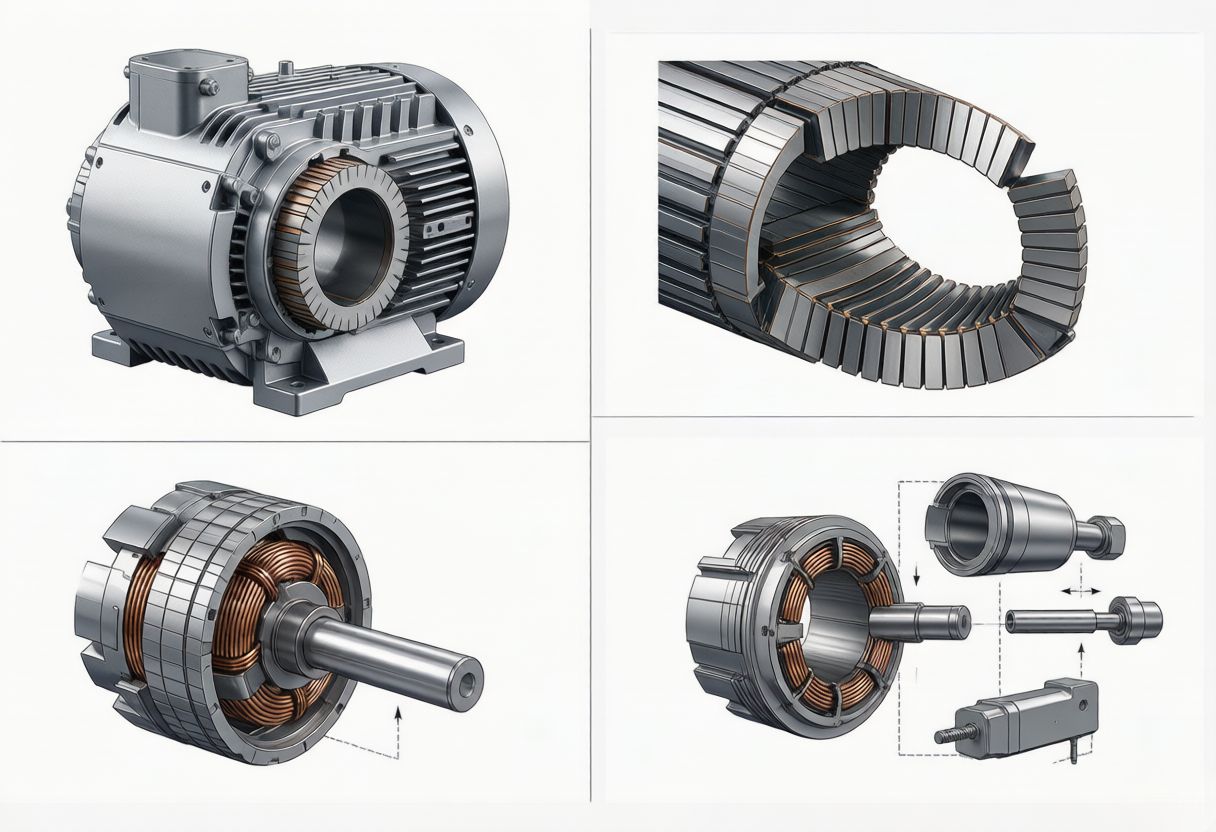
Difetti comuni del nucleo di statore e rotore
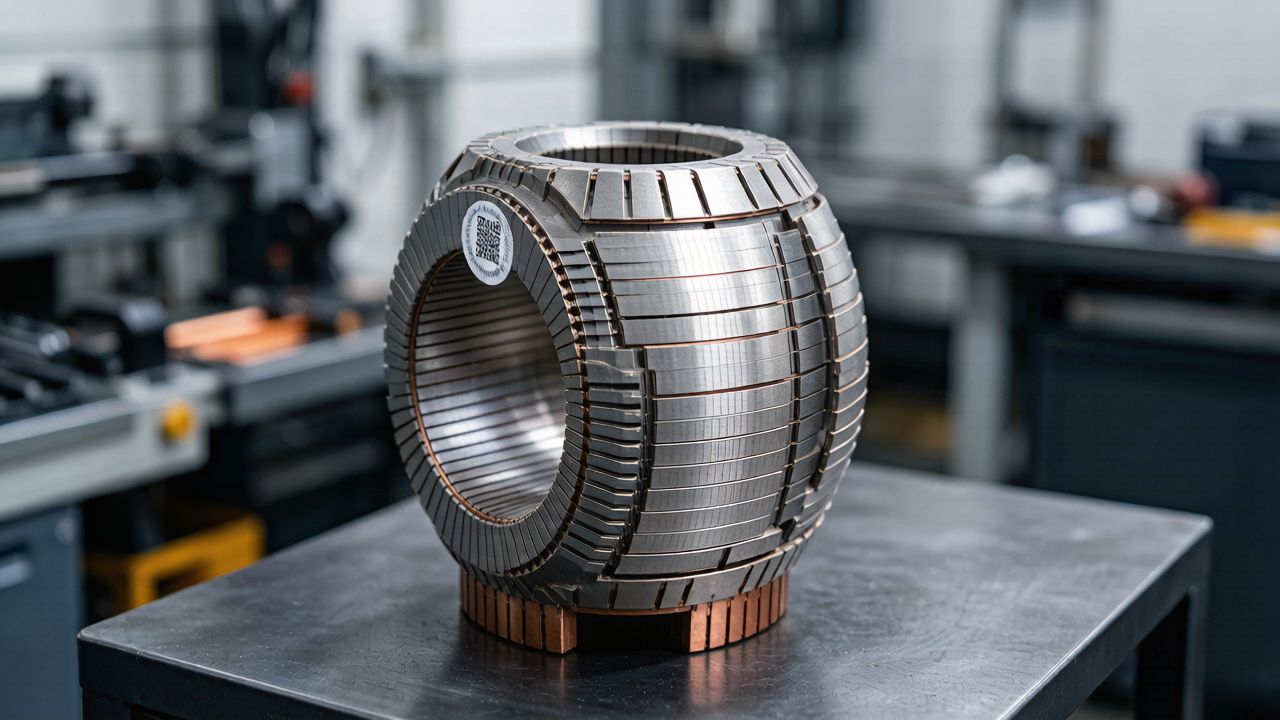
I difetti di produzione più frequenti per i nuclei dei motori in acciaio al silicio includono bave sui bordi delle lamierini, cortocircuiti tra lamierini, impilamento allentato e delaminazione, eccessive perdite nel ferro del nucleo, errori di tolleranza dimensionale, difetti di pressofusione del rotore e corrosione superficiale. Tutti questi problemi derivano da un’errata gestione del processo e da un controllo qualità insufficiente.
Quali sono le cause dei difetti del nucleo di statore e rotore?
1. Bave sui bordi delle lamierini
Cause principali: matrici di stampaggio usurate o mal calibrate, bave residue dal taglio della materia prima, velocità di stampaggio instabile e disallineamento dell’alimentazione.
Impatti: le bave taglienti danneggiano il rivestimento isolante, provocano cortocircuiti tra gli strati e causano surriscaldamento locale del motore e un’elevata corrente a vuoto.
Soluzioni e prevenzione: rettificare regolarmente i bordi delle matrici e calibrare il gioco; controllare le bave del taglio sotto 0,03 mm; applicare una sbavatura automatica post-stampaggio per ottenere bordi puliti delle lamierini.
2. Cortocircuito tra lamierini e bassa resistenza di isolamento
Cause principali: contatto metallico indotto da bave, pellicola isolante graffiata o staccata, isolamento eccessivamente compresso durante l’impilamento e ambiente di officina umido che porta all’ossidazione.
Impatti: aumento delle perdite per correnti parassite, riduzione della resistenza di isolamento, continuo aumento della temperatura del motore e diminuzione dell’efficienza operativa.
Soluzioni e prevenzione: applicare un rigoroso controllo delle bave; riverniciare l’isolamento sulle lamierini danneggiate; ottimizzare la pressione di impilamento; conservare i nuclei finiti in ambiente a temperatura e umidità controllate con imballaggi anti-umidità.
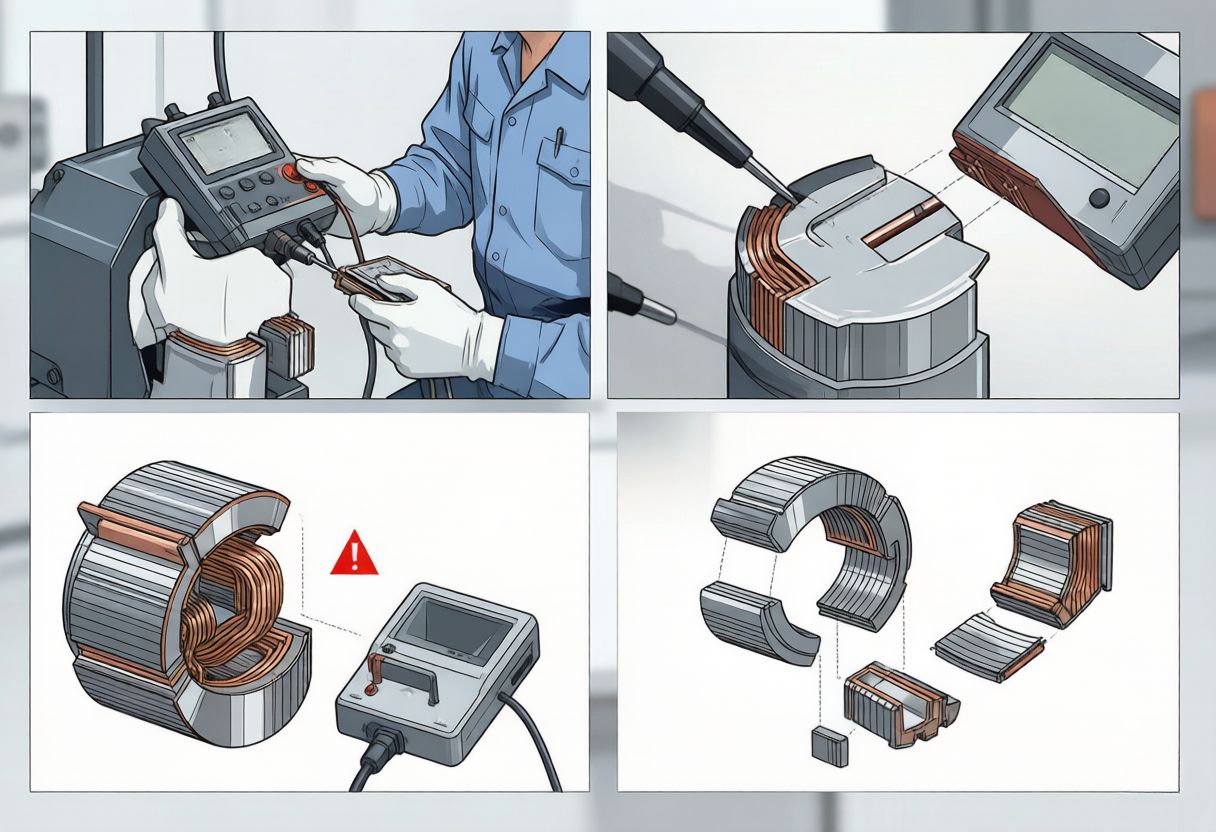
3. Impilamento allentato e delaminazione del nucleo
Cause principali: pressione di impilamento insufficiente, incastri non conformi o saldature laser discontinue, fatica da cicli termici e dispositivi di posizionamento usurati.
Impatti: traferro magnetico non uniforme, forte vibrazione del motore, rumore anomalo di ronzio e maggiore rischio di sfregamento del foro.
Soluzioni e prevenzione: standardizzare il processo di impilamento a pressione costante; adottare saldatura laser a cerchio completo per nuclei di motori ad alta velocità; sostituire i dispositivi usurati; rinforzare i nuclei allentati con fissaggio tramite piastre terminali.
4. Eccessive perdite nel ferro e scarse prestazioni magnetiche
Cause principali: materiale di acciaio al silicio non corrispondente, stress residuo di stampaggio senza ricottura, cortocircuiti tra strati e basso fattore di impilamento (inferiore al 95%).
Impatti: efficienza energetica del motore non conforme, surriscaldamento a lungo termine e aumento del consumo di energia.
Soluzioni e prevenzione: selezionare acciaio al silicio adeguato in base alla frequenza di lavoro del motore; aggiungere ricottura di rilassamento delle tensioni; migliorare la compattezza dell’impilamento ed eliminare la conduzione tra strati.
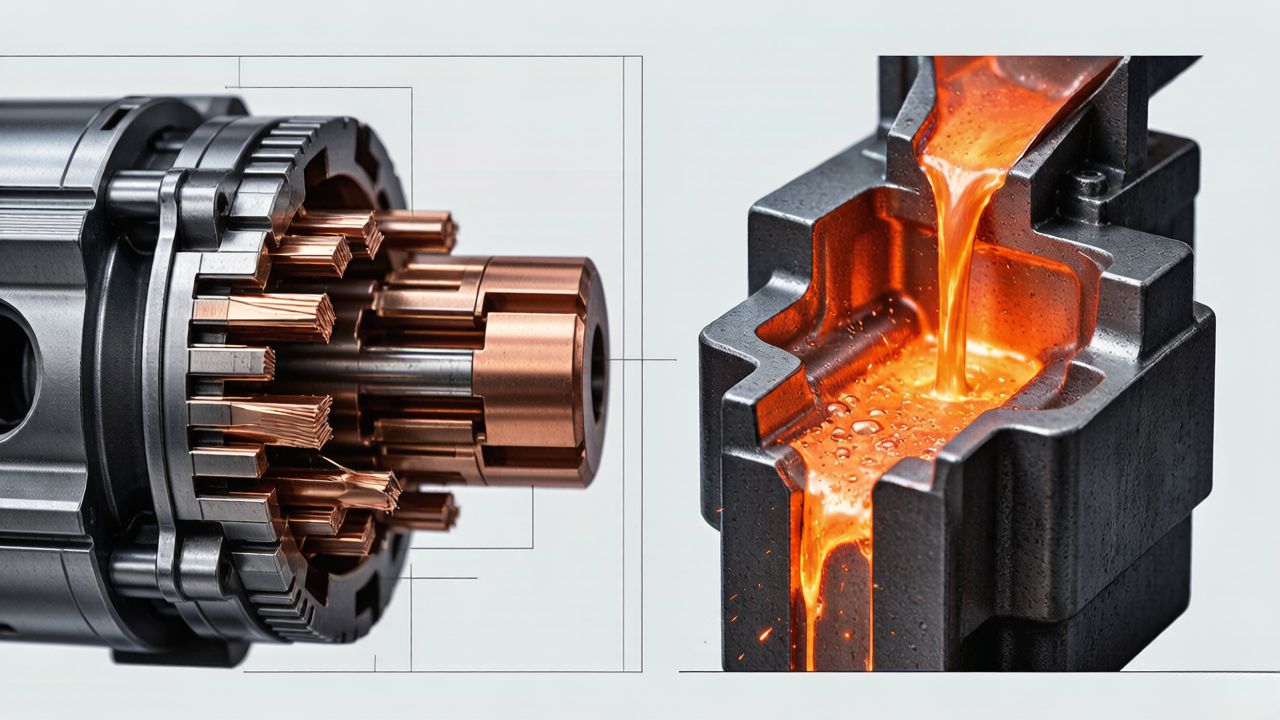
5. Difetti di pressofusione del rotore
Cause principali: temperatura del metallo di alluminio e pressione di iniezione instabili, contaminazione da olio nelle cave e canali di sfiato dello stampo ostruiti che causano intrappolamento di gas.
Impatti: porosità da ritiro e bolle d’aria portano alla rottura delle barre conduttrici, coppia di avviamento insufficiente, squilibrio del rotore e vibrazioni ad alta velocità.
Soluzioni e prevenzione: pulire completamente le cave del rotore prima della pressofusione; ottimizzare temperatura e pressione; pulire regolarmente i sistemi di sfiato dello stampo.
6. Fuori tolleranza dimensionale e traferro non uniforme
Cause principali: matrici di stampaggio usurate, posizionamento impreciso dei dispositivi e pressione di impilamento non uniforme causano deviazioni nelle dimensioni del nucleo, planarità e coassialità.
Impatti: difficoltà di installazione degli avvolgimenti, traferro statore-rotore non uniforme e guasto per sfregamento del motore.
Soluzioni e prevenzione: eseguire manutenzione regolare delle matrici e ispezioni a campione; sostituire le parti usurate dei dispositivi; applicare finiture di precisione per garantire la coerenza dimensionale.
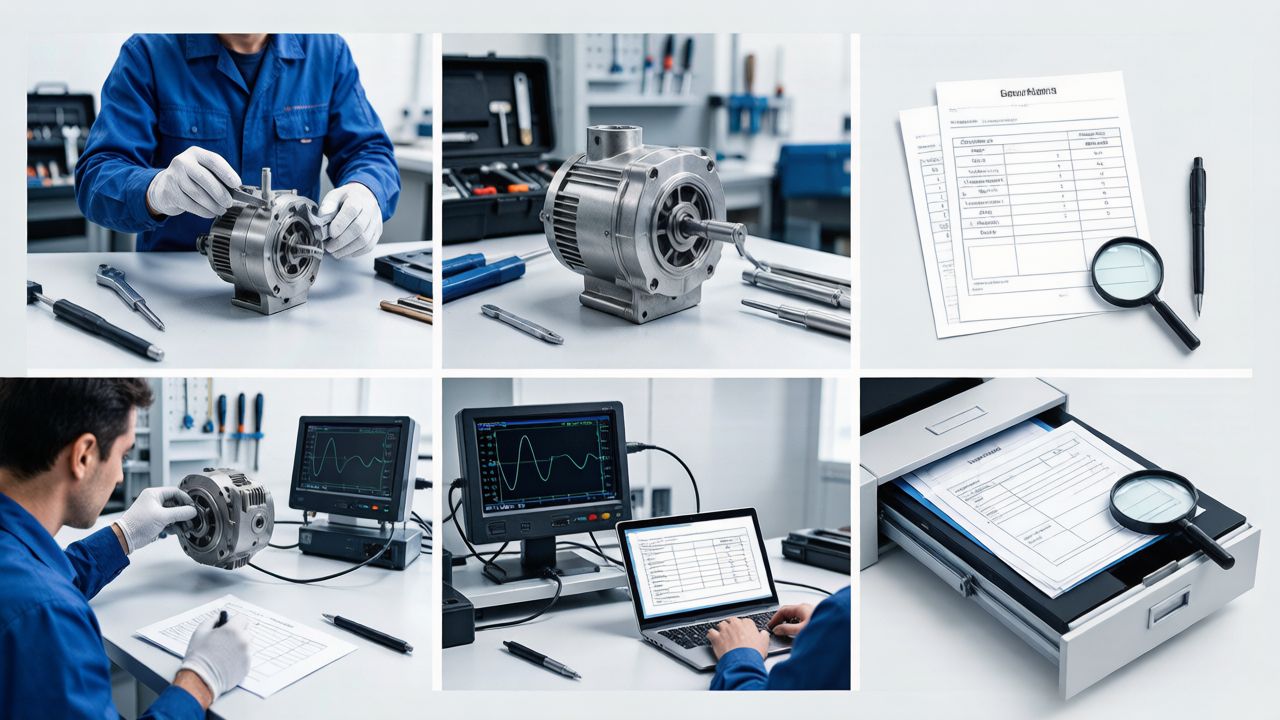
Consigli rapidi per prevenire i difetti del nucleo del motore
La maggior parte dei difetti del nucleo di statore e rotore deriva da un controllo di processo inadeguato piuttosto che da problemi di materiale. Un controllo qualità completo del processo, che includa ispezione rigorosa delle materie prime, manutenzione regolare delle matrici, parametri standardizzati di stampaggio e impilamento e test del prodotto finito, può ridurre drasticamente i tassi di guasto del nucleo. Per motori ad alta efficienza per veicoli elettrici e industriali ad alta velocità, la laminazione auto-adesiva e la saldatura laser evitano efficacemente i difetti comuni del nucleo.
Conclusione
Risoluzione "nucleo di statore e rotore i difetti inizia con l’identificazione delle cause principali di bave, cortocircuiti, impilamento allentato, elevate perdite nel ferro e problemi di pressofusione. Standardizzare ogni procedura produttiva dallo stampaggio, sbavatura e isolamento fino all’impilamento e ai test è essenziale per migliorare la qualità del nucleo e le prestazioni complessive del motore.
Categorie
ultimo blog


© Diritto dautore: 2026 Jiaxin (Xiamen) Precise Metal Co.,Ltd. Tutti i diritti riservati

IPv6 rete supportata
Scansione su wechat

 italiano



 Jiaxin (Xiamen) Precise Metal C0.,Ltd.


