come l’hardware zincato per l’accumulo di energia rinnovabile affronta la corrosione nei sistemi moderni?
Hai bisogno di hardware affidabile per l’accumulo di energia in grado di resistere a condizioni difficili. La corrosione può danneggiare il tuo sistema e mettere a rischio la sicurezza. Nell’ultimo decennio, la domanda di hardware resistente alla corrosione è cresciuta rapidamente perché i progetti di energia rinnovabile si stanno diffondendo, soprattutto vicino alle coste dove l’aria salmastra accelera la ruggine. L’hardware per l’accumulo di energia nuova galvanizzato offre una soluzione solida. L’hardware regolabile per l’accumulo di energia nuova galvanizzato mostra come nuovi design possano aiutarti a proteggere il tuo investimento e mantenere il tuo sistema energetico in funzione in sicurezza.
L’hardware per l’accumulo di energia nuova galvanizzato protegge dalla corrosione con un rivestimento di zinco che agisce come barriera e strato sacrificale.
Scegliere hardware resistente alla corrosione può estendere la vita del tuo sistema di accumulo di energia, facendoti risparmiare denaro su riparazioni e sostituzioni.
Controlla regolarmente il tuo hardware per individuare segni di corrosione e intercettare i problemi in anticipo, mantenendo l’affidabilità del sistema.
Design regolabili di hardware galvanizzato rendono l’installazione più semplice e compatibile con vari tipi e configurazioni di batterie.
Implementa le migliori pratiche, come l’uso di materiali non conduttivi e la garanzia di un drenaggio adeguato, per ottimizzare la durata del tuo hardware per l’accumulo di energia.
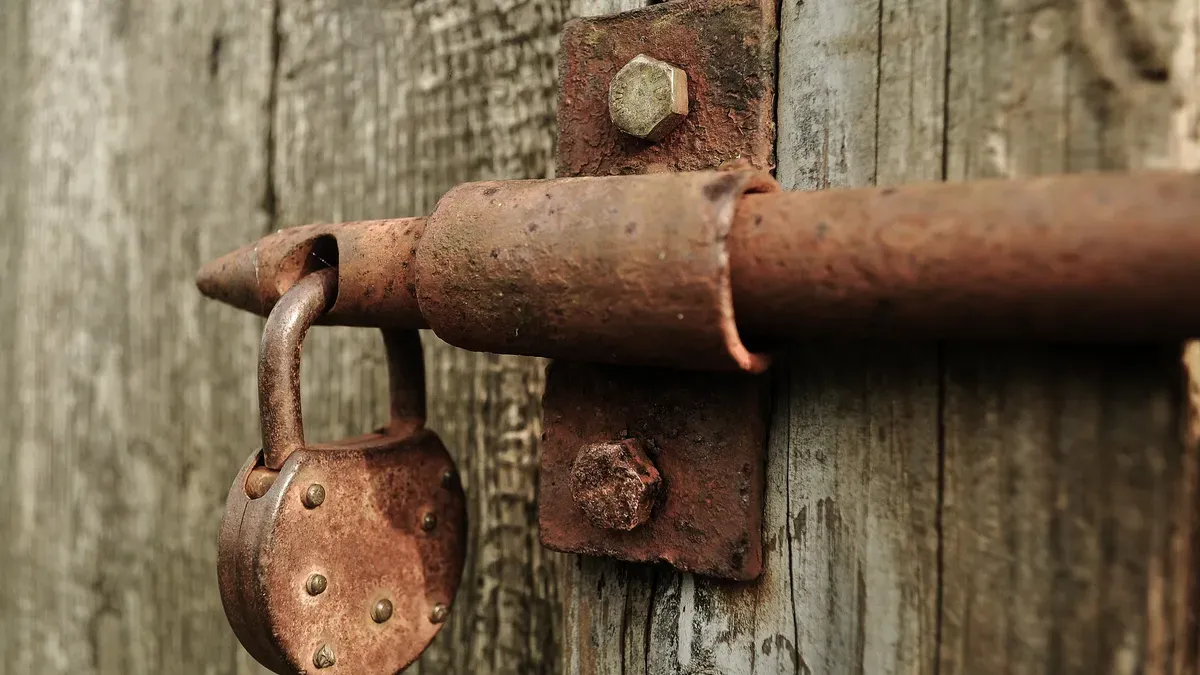
Ti trovi ad affrontare molte sfide quando proteggi i sistemi di accumulo di energia dalla corrosione. Diversi tipi di sistemi operano in ambienti unici e ognuno comporta i propri rischi. La tabella seguente mostra come vari sistemi di accumulo di energia subiscono la corrosione:
|
Tipo di sistema di accumulo di energia |
Fattori ambientali che contribuiscono alla corrosione |
|---|---|
|
Sistemi energetici a lunga durata |
Ambienti elettrochimici aggressivi, elettroliti reattivi, condizioni di pH variabile, potenziali elettrochimici |
|
Batterie agli ioni di litio |
Corrosione per vaiolatura nei collettori di corrente in alluminio causata da ioni fluoruro, ossidazione del rame durante il sovraccarico |
|
Batterie a flusso |
Elettroliti altamente acidi o alcalini, specialmente nelle batterie a flusso redox al vanadio con acido solforico |
|
Accumulo di energia ad aria compressa |
Ingresso di umidità, contaminazione salina, variazioni di temperatura |
|
Accumulo di energia termica |
Miscele di sali clorurati e nitrati ad alta temperatura che attaccano acciai strutturali e scambiatori di calore |
|
Accumulo di energia a idrogeno |
Infragilimento da idrogeno, ambienti ad alta pressione che causano cricche in serbatoi e condotte |
La corrosione non si limita a far sembrare vecchio l’hardware. Può ridurre la vita del tuo sistema di accumulo di energia. Quando la corrosione attacca le parti metalliche, le indebolisce e può causare perdite o persino guasti del sistema. Potresti notare un calo di efficienza o affrontare guasti improvvisi che mettono a rischio la sicurezza.
Devi anche considerare i costi. La corrosione può portare a riparazioni e sostituzioni costose. Molti operatori di sistemi ora si concentrano sul costo totale di proprietà, non solo sul prezzo iniziale. Materiali durevoli e resistenti alla corrosione ti aiutano a evitare manutenzioni frequenti e a mantenere il sistema in funzione più a lungo. Scegliendo l’hardware giusto, proteggi il tuo investimento e garantisci prestazioni affidabili per anni.
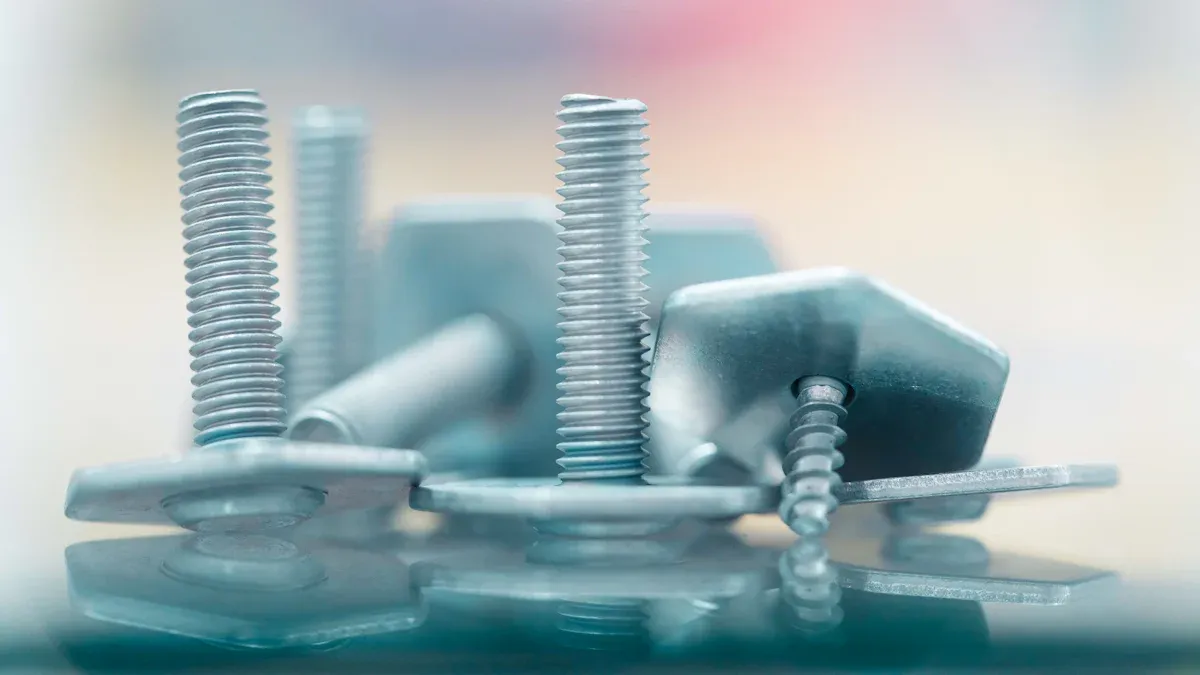
Quando scegli hardware per il tuo sistema di accumulo di energia, vuoi che duri a lungo. L’hardware galvanizzato si distingue perché utilizza un processo speciale per proteggere l’acciaio dalla ruggine e dai danni. In questo processo, i produttori rivestono l’acciaio con uno strato di zinco. Questo strato di zinco non si limita a coprire il metallo. Agisce come uno scudo che impedisce a acqua, aria e altri agenti di causare corrosione.
Il rivestimento di zinco forma una barriera, quindi l’acciaio non entra in contatto con umidità o ossigeno.
Lo zinco reagisce per primo quando è esposto all’ambiente. Si sacrifica per impedire che la ruggine raggiunga l’acciaio sottostante.
Ottieni due livelli di protezione. La barriera blocca gli agenti nocivi e lo zinco si sacrifica per salvare l’acciaio. Questo rende l’hardware galvanizzato una scelta intelligente per luoghi in cui sono presenti pioggia, sale o sostanze chimiche.
Hai bisogno di hardware in grado di gestire lavori impegnativi in stazioni di ricarica per veicoli elettrici, impianti solari ed eolici. L’hardware regolabile per l’accumulo di energia nuova galvanizzato ti offre questa resistenza e flessibilità. Utilizza acciaio SPCC di alta qualità e una superficie galvanizzata, così ottieni una forte protezione contro corrosione e agenti atmosferici.
Ecco alcune caratteristiche e vantaggi principali che troverai:
|
Caratteristica o vantaggio |
Come ti aiuta nello stoccaggio di energia rinnovabile |
|---|---|
|
Resistenza alla corrosione |
Protegge il tuo sistema dai raggi UV, dalla nebbia salina e dall’umidità. |
|
Durata di servizio estesa |
Mantiene il sistema in funzione per oltre 25 anni, facendo risparmiare denaro. |
|
Elevata resistenza alla trazione |
Resiste allo stress nelle installazioni eoliche e solari. |
|
Conformità agli standard |
Rispetta le norme di sicurezza UL e IEC per prestazioni affidabili. |
|
Capacità di collegamento elettrico |
Supporta una messa a terra sicura nei sistemi solari ed eolici. |
Ottieni anche il vantaggio della regolabilità. L’hardware regolabile per l’accumulo di energia nuova galvanizzato si adatta a molte dimensioni e forme di batterie. Questo rende l’installazione più semplice e veloce.
|
Vantaggio |
Descrizione |
|---|---|
|
Flessibilità |
Permette di installare e mantenere l’hardware con meno sforzo. |
|
Compatibilità |
Funziona sia con configurazioni bullonate che saldate. |
|
Adattabilità |
Si adatta a diversi tipi e disposizioni di batterie. |
Puoi installare questo hardware rapidamente, risparmiando tempo. Non servono strumenti o competenze speciali. Il design supporta sia connessioni bullonate che saldate, quindi puoi usarlo in molteplici contesti.
Vuoi sicurezza e affidabilità. Questo hardware offre entrambe. Il robusto materiale SPCC e la finitura zincata proteggono il tuo investimento. Il design regolabile semplifica il lavoro, che tu operi con veicoli elettrici, pannelli solari o turbine eoliche. Scegliendo il Galvanized New Energy Storage Hardware, ottieni una soluzione duratura, economica e sicura per il tuo sistema.
Hai bisogno di una protezione forte per mantenere il tuo hardware di accumulo energetico al sicuro dalla ruggine. Le finiture zincate offrono questa protezione. Quando usi acciaio zincato, uno strato di zinco copre la superficie. Questo strato di zinco funge da barriera resistente e continua, impedendo l'ingresso di acqua, aria e altri agenti che causano corrosione.
I rivestimenti in zinco creano una barriera metallica continua e impenetrabile che impedisce all’umidità di entrare in contatto con l’acciaio, essenziale per prevenire la corrosione.
L'efficacia della barriera dipende dallo spessore del rivestimento in zinco. Rivestimenti più spessi durano più a lungo e offrono maggiore protezione.
Lo zinco funge anche da anodo sacrificale, il che significa che si corrode prima dell'acciaio.
Puoi vedere la differenza nella protezione osservando lo spessore del rivestimento:
|
Tipo di Rivestimento |
Gamma di Spessore |
Resistenza alla Corrosione |
|---|---|---|
|
Zincatura a caldo |
3,0 - 5,0 mils (75-125 micrometri) |
Superiore, ideale per ambienti gravosi |
|
Zincatura elettrolitica |
0,2 - 1,0 mils (5-25 micrometri) |
Moderata, richiede manutenzione |
Se scegli il Galvanized New Energy Storage Hardware, ottieni un prodotto con barriera di zinco che resiste alle condizioni climatiche difficili e mantiene il tuo sistema sicuro.
I rivestimenti zincati fanno più che bloccare e sacrificarsi. Hanno anche proprietà auto-riparanti. Quando si verificano piccoli graffi o danni, lo zinco può ancora proteggere l’acciaio esposto. Il rivestimento forma uno strato passivo auto-riparante che continua a funzionare anche in caso di danni minori.
I rivestimenti zincati utilizzano un sistema di difesa multilivello. Lo strato di passivazione protegge il rivestimento di zinco e assicura che la protezione sacrificaile continui. Questo significa che il tuo hardware rimane protetto a lungo, anche in condizioni difficili. Puoi contare sul fatto che il tuo sistema di accumulo energetico continuerà a funzionare anno dopo anno.
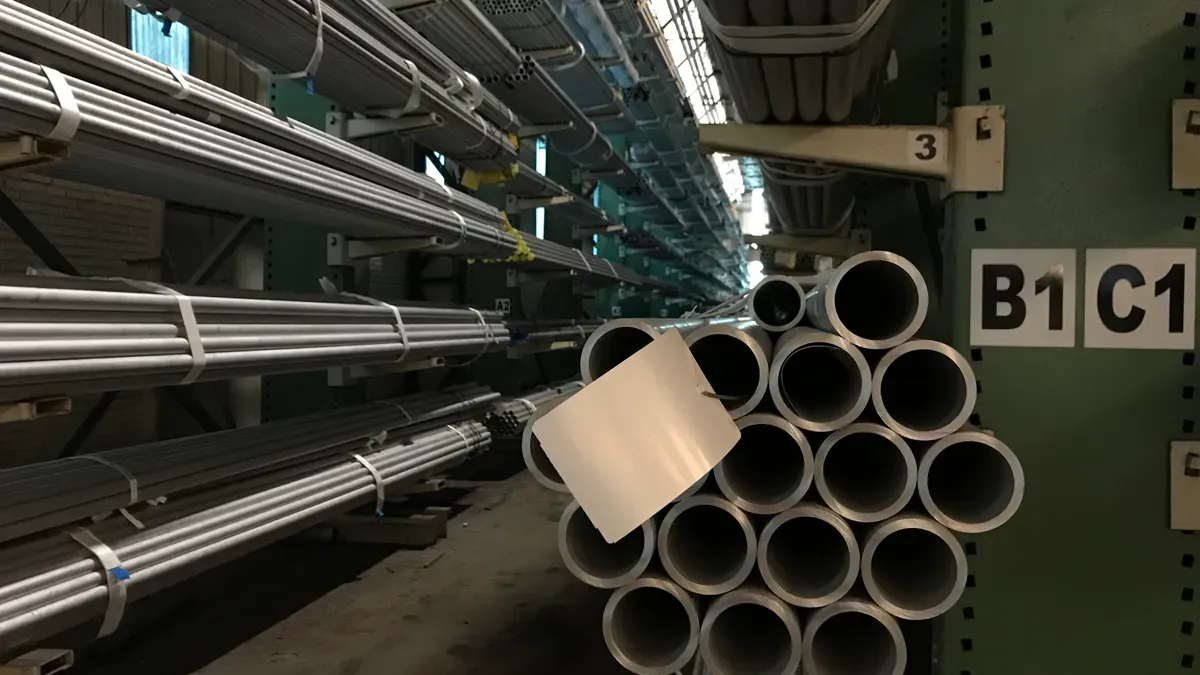
Potresti chiederti come l’hardware zincato si confronti con l’acciaio inossidabile nei sistemi di accumulo energetico. Entrambi i materiali proteggono dalla corrosione, ma funzionano in modi diversi.
L’acciaio zincato utilizza un rivestimento di zinco. Questo rivestimento agisce come barriera e strato sacrificale. Protegge l’acciaio da acqua, aria e sostanze chimiche.
Lo strato di zinco offre una protezione a lungo termine. Funziona bene in ambienti esterni, ambienti marini e luoghi con temperature variabili.
L’acciaio zincato si comporta bene in presenza di umidità, esposizione a sostanze chimiche o sbalzi di temperatura.
L’acciaio inossidabile contiene cromo. Questo elemento gli conferisce una forte resistenza alla ruggine e alla corrosione.
Spesso si sceglie l’acciaio inossidabile per ambienti ad alta purezza o ad alta temperatura. È più adatto in speciali sistemi di accumulo energetico in cui queste condizioni sono fondamentali.
Puoi usare hardware zincato per la maggior parte dei progetti di accumulo energetico. L’acciaio inossidabile è più adatto in luoghi con calore estremo o dove sono necessarie condizioni molto pulite.
Ecco una semplice tabella per aiutarti a confrontare:
|
Tipo di hardware |
Costo iniziale |
Costo totale di proprietà |
|---|---|---|
|
Zincato |
Più basso |
Potenzialmente più alto in 25 anni |
|
Acciaio inossidabile |
Più alto |
Spesso più basso in 25 anni |
Suggerimento: se desideri un equilibrio tra costo e protezione, l’hardware zincato offre un buon valore. Per esigenze particolari, come alte temperature o purezza, l’acciaio inossidabile può essere la scelta migliore.
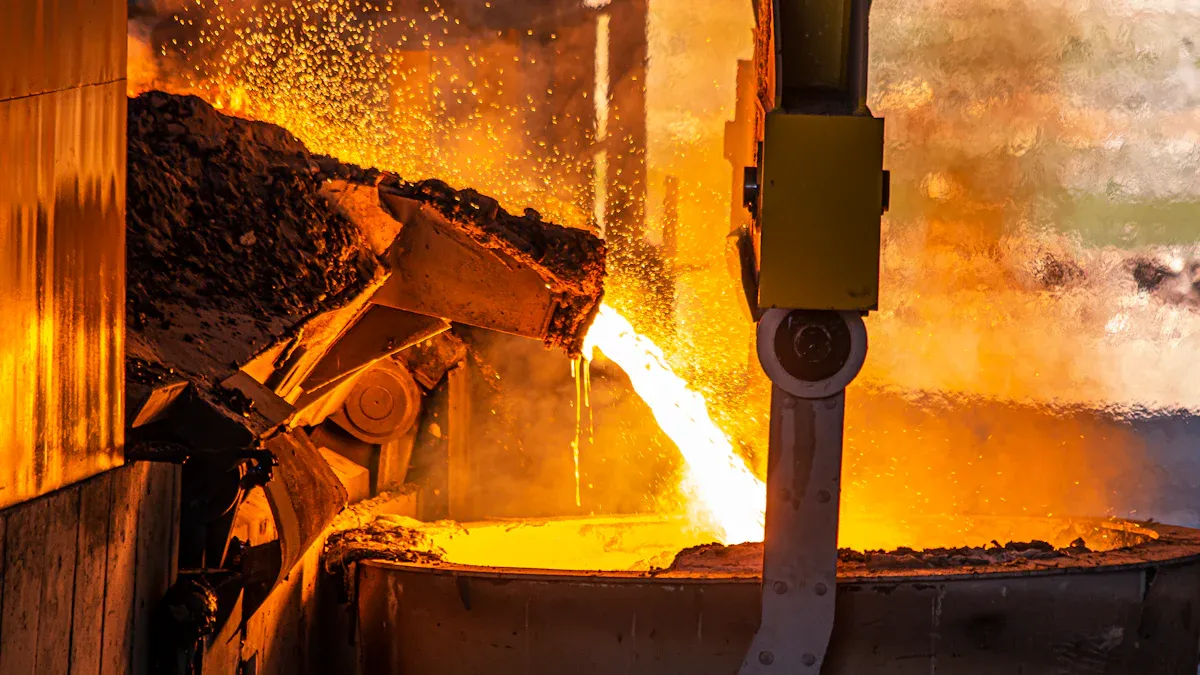
L’hardware zincato utilizza un rivestimento di zinco. Questo rivestimento forma una barriera che blocca acqua e aria. Se il rivestimento viene graffiato, lo zinco si sacrifica per proteggere l’acciaio sottostante.
Sì, puoi usare l’hardware zincato all’aperto. Lo strato di zinco resiste a pioggia, sole e aria salmastra. Funziona bene in luoghi come impianti solari, siti eolici e stazioni di ricarica per veicoli elettrici.
Troverai l’hardware zincato semplice da installare. La maggior parte dei prodotti si adatta a strumenti e configurazioni standard. I design regolabili ti permettono di adattarti a diverse dimensioni e layout di batterie senza sforzo aggiuntivo.
Puoi usare l’hardware zincato con altri metalli, ma dovresti evitare il contatto diretto con rame o alluminio. Usa rondelle o distanziatori per separare metalli diversi e prevenire la corrosione galvanica.
Categorie
ultimo blog


© Diritto dautore: 2026 Jiaxin (Xiamen) Precise Metal Co.,Ltd. Tutti i diritti riservati

IPv6 rete supportata
Scansione su wechat

 italiano



 Jiaxin (Xiamen) Precise Metal C0.,Ltd.


